Genetic screening for breast cancer: its role in prevention and treatment
Breast cancer is the most common malignant tumour in the West and the leading cause of death in women between 40 and 55 years of age in our country. Its number is increasing at an annual rate of 1-2%.
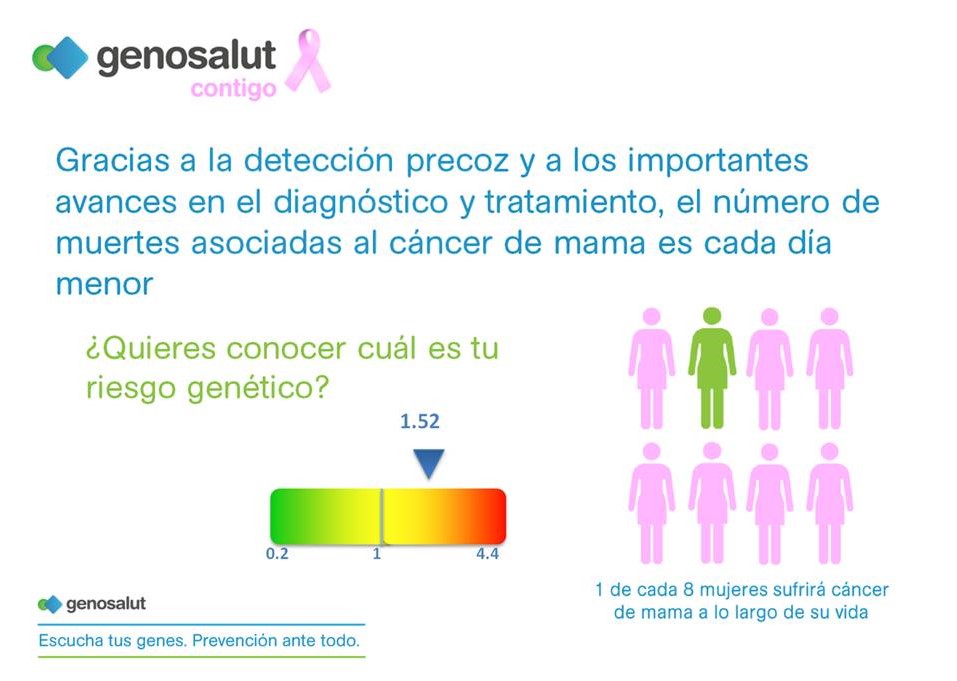
Thanks to early detection and significant advances in the diagnosis and treatment of the disease, the number of deaths associated with breast cancer is decreasing every day.
Breast cancer: main risk factors
● Family history of breast or ovarian cancer
● Advancing age
● Early menarche (first menstruation before age 12 years)
● Late menopause (after the age of 50 years)
● Not having children or having children after the age of 30 years
● Hormone replacement therapy during the menopause
● Not having breastfed
● Alcohol consumption
● Obesity
● Lack of physical activity
● Genetics of the individual
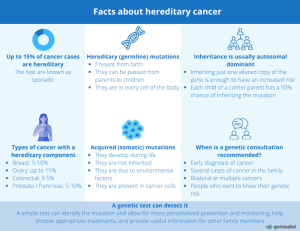
Genetic risk factors for breast cancer include mutations in the BRCA1 and BRCA2 genes, associated with familial cancer, and in other genes including RAD51C, RAD51D, CHEK2, ATM, BRIP1, PALB2, TP53 and CDH1. Recently, the BARD1 gene has also been added as a moderate risk gene for breast cancer. In most cases, the results obtained from the analysis of these genes allow for detailed and informative genetic counselling and a specific recommendation on the clinical procedure.
At Genosalut we offer different genetic tests to assess the risk of breast cancer: familial mutation, gene panel, exome and genome.
If you like our blog, subscribe to our newsletter